
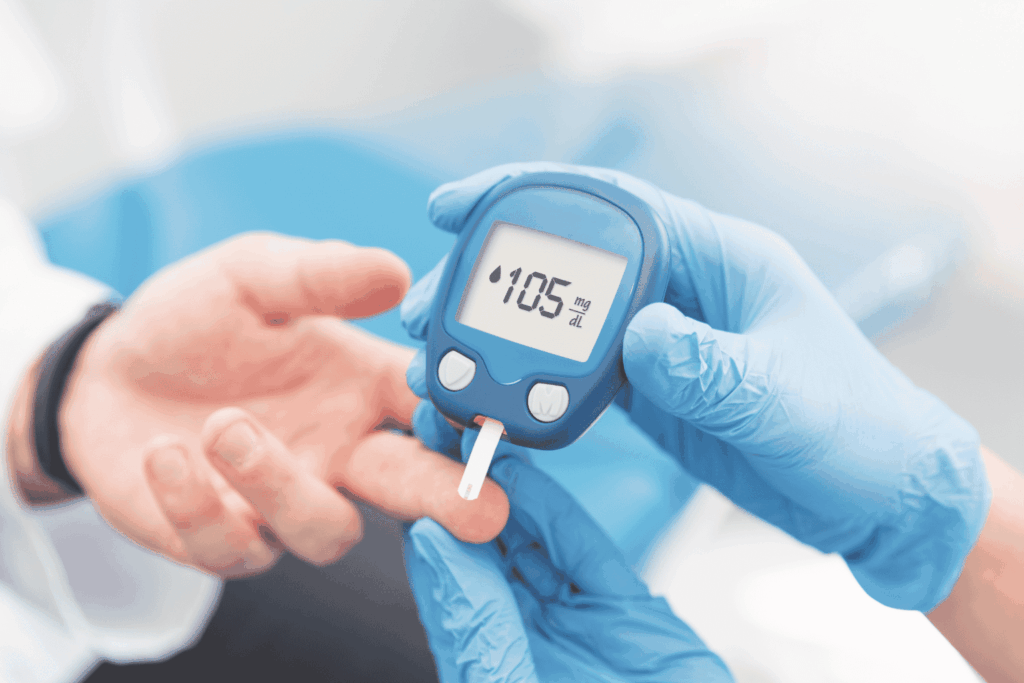
Diabetes is a chronic health condition that affects how your body turns food into energy. It occurs when the body cannot properly regulate blood sugar (glucose) levels. Over time, high blood sugar can damage many parts of the body, including the heart, kidneys, nerves, and eyes.
Glucose is the body’s main source of energy and comes primarily from the foods we eat, especially carbohydrates. A hormone called Insulin, produced by the pancreas, helps glucose enter the body’s cells so it can be used for energy.
When someone has diabetes, the body either does not produce enough insulin or cannot use insulin effectively, leading to high levels of glucose in the bloodstream.
Common Symptoms of Diabetes
Many people with diabetes may not notice symptoms immediately. However, common warning signs include:
- Frequent urination
- Increased thirst
- Extreme hunger
- Fatigue
- Blurred vision
- Slow healing wounds
- Unexplained weight loss (common in Type 1 diabetes)
Final Thoughts
Diabetes Mellitus is a common but serious condition that affects millions of people worldwide. Understanding how diabetes works, recognizing its symptoms, and adopting healthy lifestyle habits can make a significant difference in managing the disease and preventing complications.
Early awareness and proactive care are essential steps toward maintaining stable blood sugar levels and improving overall health.